Traditional South African Favorites
Welcome to the heart and soul of South African cuisine! Here, we celebrate the dishes that have been passed down through generations, each bite telling a story of history, culture, and delicious tradition. From hearty stews to savory pies, these are the flavors that define Mzansi.
Bobotie
Bobotie is arguably South Africa's national dish, a flavorful minced meat dish baked with an egg-based topping. Its origins can be traced back to the Dutch East India Company in the 17th century, and it's been a beloved staple ever since. The dish typically includes spices like curry powder, turmeric, and dried apricots, giving it a unique sweet and savory flavor profile.
Historical Context: Bobotie reflects the diverse cultural influences of South Africa, blending Malay, Dutch, and indigenous flavors into one harmonious dish. It was often served at celebratory meals and remains a popular choice for family gatherings.
Variations: Some variations include adding walnuts or almonds for texture, or using different types of meat, such as lamb or venison. Vegetarian versions using lentils or mushrooms are also popular.
User Review: "My grandmother's bobotie recipe is the best! I love the combination of sweet and savory, and it's always a crowd-pleaser." - Aisha, Cape Town
Tip: Serve with yellow rice, chutney, and a side salad for a complete meal.
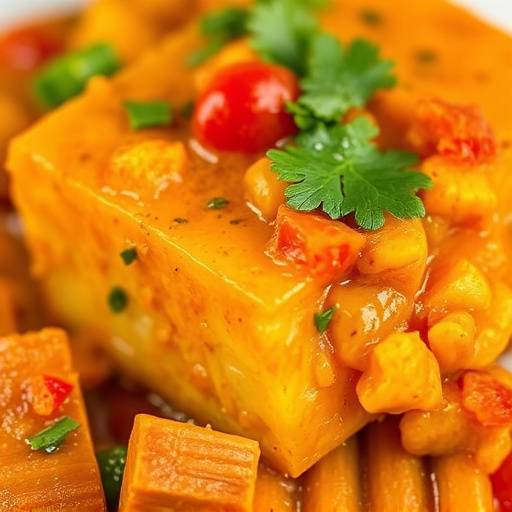
Bunny Chow
Hailing from Durban, Bunny Chow is a South African fast food dish consisting of a hollowed-out loaf of bread filled with curry. The curry can be mutton, chicken, beans, or vegetables, and it's often served with a side of grated carrots, onions, and chili.
Historical Context: Bunny Chow originated in the Indian community of Durban during the apartheid era. It was a practical and affordable way for workers to transport and eat their lunch.
Variations: The type of curry used can vary greatly, from mild and creamy to fiery hot. Some variations include adding potatoes, lentils, or other vegetables to the curry.
User Review: "A Durban staple! Nothing beats a good bunny chow after a day at the beach. I always go for the mutton bunny with extra gravy." - Sipho, Durban
Tip: Ask for "gravy on top" to soak the bread and add extra flavor.

Boerewors
Boerewors, meaning "farmer's sausage" in Afrikaans, is a traditional South African sausage made from coarsely minced beef (often mixed with pork or lamb) and spices. It must contain at least 90% meat to be called boerewors. The distinct flavor comes from the use of coriander and vinegar.
Historical Context: Boerewors has its roots in the early days of South African history, when farmers would make their own sausage to preserve meat. The recipe has been refined over generations, and it remains a central part of South African braais (barbecues).
Variations: While the basic recipe remains consistent, some variations include adding chili, garlic, or other spices. Different regions may also have their own unique twists on the recipe.
User Review: "No braai is complete without boerewors! It's the perfect accompaniment to a cold beer and good company." - Pieter, Johannesburg
Tip: Cook boerewors slowly over medium heat to ensure it's cooked through and juicy.
Biltong
Biltong is a form of dried, cured meat that originated in South Africa. It's typically made from beef, but can also be made from game meats like kudu or springbok. The meat is marinated in vinegar and spices, then air-dried.
Historical Context: Biltong was developed by the Voortrekkers as a way to preserve meat during their long journeys. The curing process allowed them to store meat without refrigeration.
Variations: Biltong comes in various flavors and textures, from dry and crumbly to moist and chewy. Some popular flavors include chili, garlic, and peri-peri.
User Review: "Biltong is my go-to snack! It's high in protein and so delicious. I love the chili-flavored biltong the best." - Zola, Pretoria
Tip: Store biltong in a cool, dry place to prevent it from spoiling.
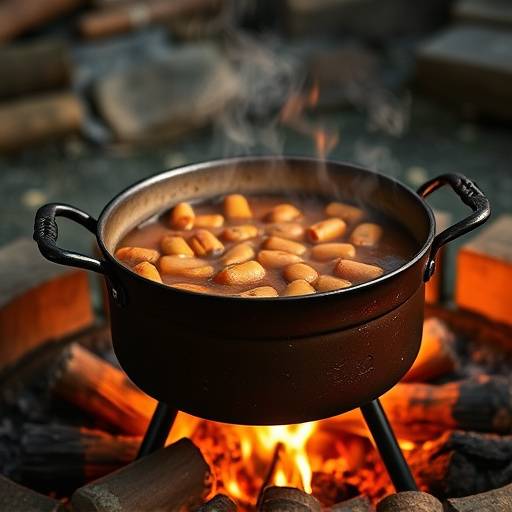
Potjiekos
Potjiekos, meaning "small pot food" in Afrikaans, is a traditional South African stew cooked in a three-legged cast-iron pot over an open fire. The ingredients are layered in the pot and cooked slowly, resulting in a rich and flavorful dish.
Historical Context: Potjiekos has its roots in the early days of South African settlement, when Dutch settlers would cook stews in cast-iron pots over open fires. The dish is a symbol of communal cooking and is often enjoyed at gatherings.
Variations: Potjiekos recipes vary widely, but typically include meat (such as lamb, beef, or chicken), vegetables (such as potatoes, carrots, and onions), and spices. Some variations include adding dried fruit or beer.
User Review: "Potjiekos is the ultimate comfort food! It's perfect for a cold winter evening, and it's always a hit with my family." - Anika, Bloemfontein
Tip: Avoid stirring the pot too much, as this can prevent the flavors from melding together properly.
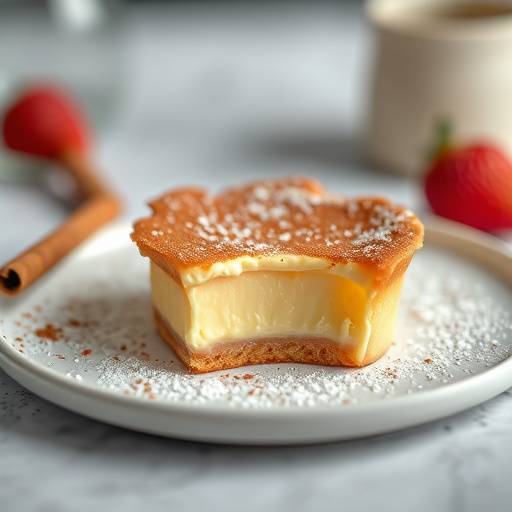
Melktert (Milk Tart)
Melktert is a South African dessert consisting of a sweet pastry crust filled with a creamy milk custard. It is typically flavored with cinnamon and is a popular treat enjoyed by people of all ages.
Historical Context: Melktert is believed to have originated from the Dutch settlers in the Cape and is similar to the Dutch "mattentaart". It has been a beloved dessert in South Africa for centuries.
Variations: Some variations include adding almond extract or lemon zest to the custard for extra flavor. The crust can also be made with different types of flour or spices.
User Review: "My mom makes the best melktert! It's so creamy and delicious, and the cinnamon adds the perfect touch." - Thandi, Port Elizabeth
Tip: Serve melktert chilled for the best flavor and texture.
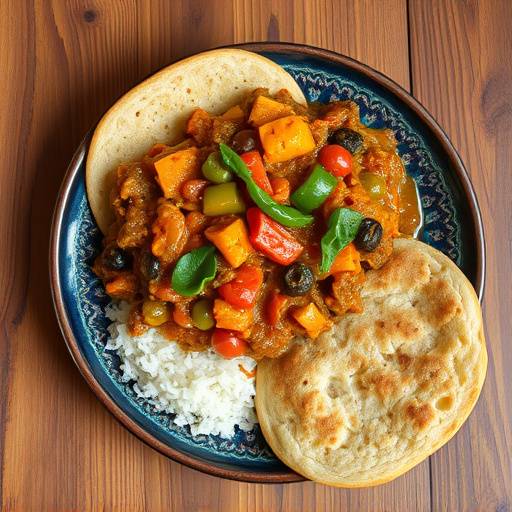
Chakalaka
Chakalaka is a South African vegetable relish, usually spicy, made of tomatoes, beans, onions, peppers, carrots, and spices. It is often served as a side dish with braais, stews, or curries.
Historical Context: Chakalaka originated in the townships of Johannesburg and has become a staple in South African cuisine. It is a flavorful and affordable way to add vegetables to any meal.
Variations: The level of spiciness can be adjusted to taste. Some variations include adding curry powder, ginger, or garlic.
User Review: "Chakalaka is a must-have at any braai! It adds a bit of heat and flavor to everything." - Mandla, Soweto
Tip: Chakalaka can be made ahead of time and stored in the refrigerator for several days.
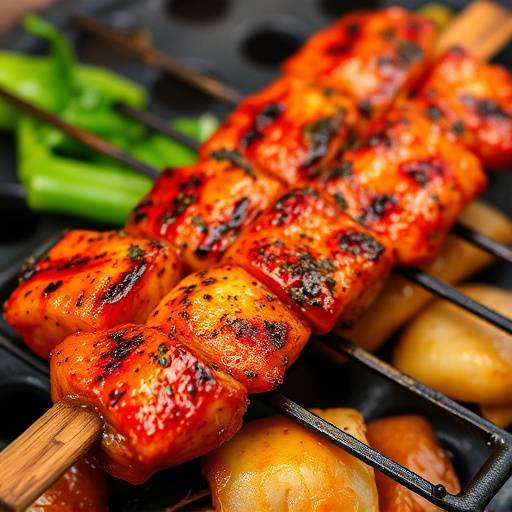
Shisa Nyama
Shisa Nyama, meaning "burn the meat" in Zulu, is a South African term for grilled meat, usually beef, prepared at informal gatherings or butcher shops. It's a social event centered around grilling and enjoying meat with friends and family.
Historical Context: Shisa Nyama started as a way for butcher shops in townships to attract customers by offering them a place to grill and enjoy their meat purchases. It has since evolved into a popular cultural tradition.
Variations: The type of meat and seasonings used can vary widely. Popular choices include ribs, steak, and boerewors. Common seasonings include salt, pepper, and spices.
User Review: "Shisa Nyama is the best way to spend a weekend! Good meat, good friends, and good vibes." - Thembi, Umlazi
Tip: Don't be afraid to try different cuts of meat and seasonings to find your favorite combination.